
Prediabetes
Prediabetes


Prediabetes is a serious health condition that increases your risk of developing type 2 diabetes, and associated conditions such as heart disease, stroke, kidney disease and nerve damage.1
What is prediabetes?
What causes prediabetes?
Risk factors for prediabetes
- Are overweight.
- Are aged 45 years or more.
- Have a parent or sibling with type 2 diabetes.
- Aren’t sufficiently physically active i.e. you exercise less than 3 times a week.
- Are a woman who’s had gestational diabetes (diabetes during pregnancy), or who’s given birth to a baby weighing over 4kg.
- Are a woman with polycystic ovary syndrome.
- Ethnicity can also be a risk factor. For example, in South Africa the Indian population is at highest risk for developing prediabetes and diabetes.
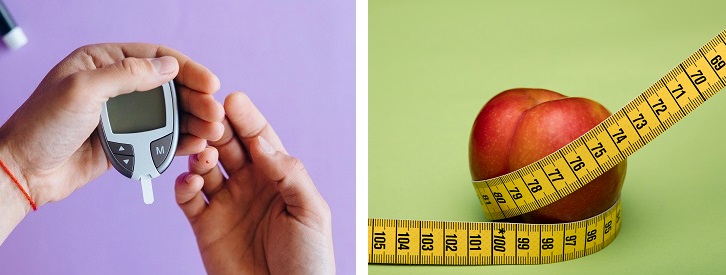
Diagnosis of prediabetes
- Below 5.7% – your blood sugar level is normal
- 7% to 6.4% – you have prediabetes
- 5% or higher – you have diabetes.2,5
Preventing type 2 diabetes
- Fruits and vegetables (especially green leafy vegetables like kale, blueberries, grapes and apples)
- wholegrains
- lean proteins
- Fat-free or low-fat yogurt and cheese
- unsweetened tea and coffee
Reduce intake of these foods:
- sugar-sweetened drinks
- red and processed meats (e.g. beef, lamb, pork, ham, sausages)
- refined carbohydrates (e.g. sugary snacks, white bread, sugary cereals)
- potatoes (especially French fries).
Getting regular exercise. Being sedentary, which involves spending too much time sitting and lying down and generally being inactive, is linked with an increased risk of type 2 diabetes.1 The recommendation is to build up to at least 150 minutes a week (30 minutes a day, 5 days a week) of moderate intensity aerobic (cardiovascular) exercise e.g. brisk walking, playing doubles tennis.2 It’s best to also include strength or resistance training (e.g. lifting weights, doing pressups and squats) as this has been shown to improve insulin use by the body and, consequently, also to improve blood sugar levels.4 Every bit of physical activity you can add to your daily life helps reduce your risk of developing type 2 diabetes. Think about making small changes such as taking phone calls standing up, using stairs instead of the lift, going for a walk on your lunch break, and playing with kids or pets.2
Medical References
- Centers for Disease Control. Prediabetes – Your Chance to Prevent Type 2 Diabetes. Available at: https://www.cdc.gov/diabetes/prevention-type-2/prediabetes-prevent-type-2.html
- Diabetes UK. Prediabetes symptoms and risk reduction. (2025). Available at: https://www.diabetes.org.uk/about-diabetes/type-2-diabetes/prediabetes
- National Institute of Diabetes and Digestive and Kidney Diseases, n.d. Diabetes. [online] Available at: https://www.niddk.nih.gov/health-information/diabetes
- Diabetes South Africa. Prediabetes: what you need to know. (2022). Available at: https://www.diabetessa.org.za/prediabetes-what-you-need-to-know/
- Cleveland Clinic. Prediabetes: What Is It, Causes, Symptoms & Treatment. (2023). Available at: https://my.clevelandclinic.org/health/diseases/21498-prediabetes